Italian Brainrot 3D Puzzle
Popular Games
Last Played
 3D Games
 Business
 Carparking
 Fall Boys
 Html5 Games For Your Site
 Race
Race
 WebGL
WebGL
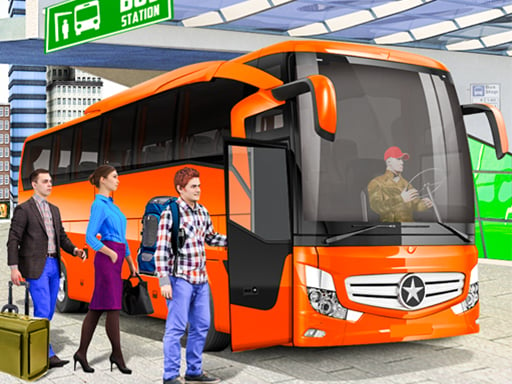
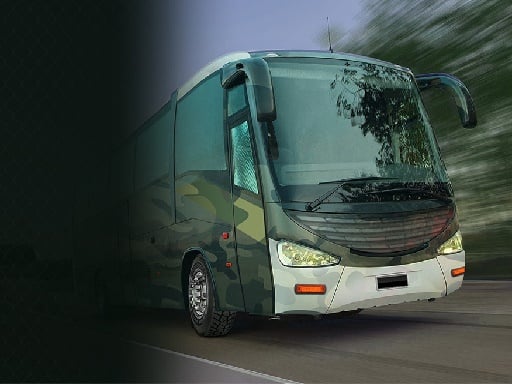
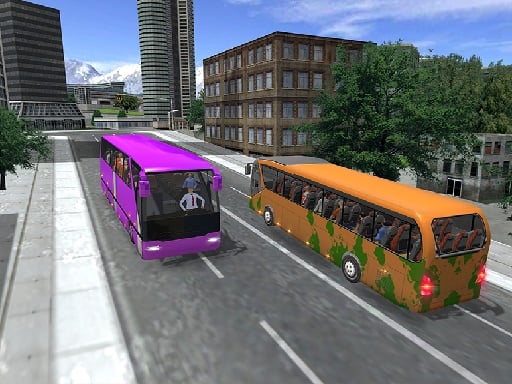
Parking for buses at the port is a critical aspect of transportation management that plays a significant role in the overall efficiency of port operations. Proper bus parking ensures that passengers can embark and disembark quickly and safely, which is essential for maintaining the flow of traffic and logistics. The layout of bus parking areas is designed to accommodate various sizes of buses, allowing for optimal use of space and minimizing congestion.
Bus parking facilities at the port often feature designated zones for loading and unloading, as well as amenities such as waiting areas for passengers. The operational hours of these facilities are carefully planned to align with the schedules of arriving and departing vessels. Thus, timely access to these services is paramount for travelers. In addition, the bus parking areas are usually situated near key transportation links, which allows for seamless connectivity to other forms of transit including taxis and ferries.
Efficient bus parking management not only enhances the passenger experience but also contributes to the port's economic performance. It helps mitigate delays, reduces travel time, and promotes safety for both vehicles and pedestrians. Understanding the operational needs and challenges of bus parking in this context is crucial for stakeholders involved in transportation and port management.
The bus parking facilities at the port come with a range of special features that enhance their usability. These include real-time monitoring systems that allow for the tracking of bus arrivals and departures, ensuring smooth operations. Additionally, amenities such as restrooms and information kiosks improve the overall experience for passengers. Safety measures, including surveillance cameras and well-lit areas, provide added security for both vehicles and individuals.
Effective control measures are implemented to manage bus parking at the port efficiently. These controls include strict adherence to parking regulations, designated parking spots for different bus sizes, and time-limited parking zones to avoid overcrowding. Technology, such as automated parking systems, plays a vital role in streamlining the process and optimizing space usage, ensuring that all vehicles are parked in an organized manner.
The main objectives of bus parking at the port focus on ensuring safety, efficiency, and passenger convenience. By providing adequately designed parking areas, the port aims to minimize traffic congestion and enhance the flow of transportation services. The goal is to create a user-friendly experience for travelers, where their needs are met promptly while promoting a smooth operational process for arriving and departing buses.
The target audience for bus parking services at the port primarily includes travelers using buses to access the port facilities, transportation companies operating in the area, and port authority officials tasked with overseeing traffic management. Understanding their needs is crucial for optimizing bus parking arrangements. Additionally, for a fun gaming experience related to vehicles, check out Jul Monster Truck Racing.