Italian Brainrot 3D Puzzle
Popular Games
Last Played
 Cargo
Cargo
 Funny
Funny
 Html5 Games For Your Site
 Jigsaw
 Kids
Kids
 Mobile
 Puzzleblock
 Supercars
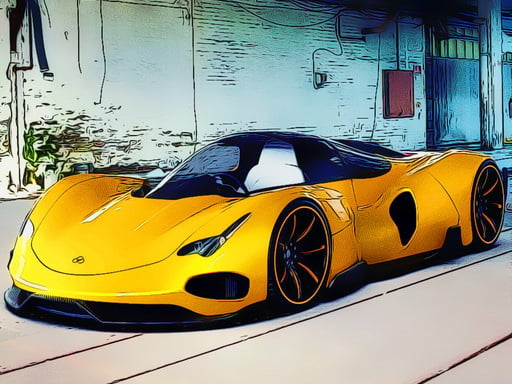
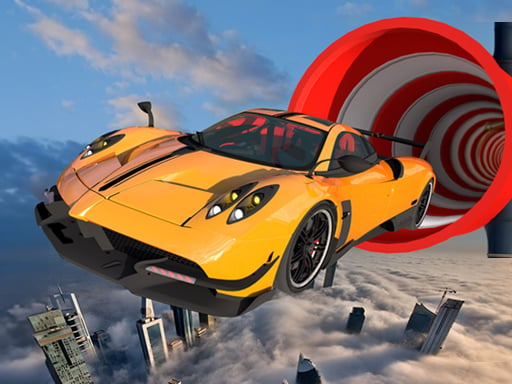
The evolution of car designs has taken a remarkable turn into the future, with a diverse range of futuristic car models available today. These vehicles are not just about sleek appearances; they incorporate advanced technology, sustainability, and innovative features that enhance the driving experience. From electric powertrains to autonomous driving capabilities, futuristic models are set to redefine how we perceive cars.
Many manufacturers are focusing on sustainability by using eco-friendly materials and energy sources, aiming to reduce the carbon footprint associated with traditional vehicles. The shift towards electric and hybrid models signifies a move towards a greener future. Autonomous vehicles, driven by cutting-edge AI technology, promise increased safety and efficiency. These advancements come with their own challenges, including regulatory approvals and ethical considerations that manufacturers must navigate.
Furthermore, the integration of smart technology into car systems has transformed how drivers interact with their vehicles. Features such as real-time navigation, connectivity with personal devices, and enhanced safety systems are now standard. In this rapidly changing market, the competition among brands is fierce, with each striving to innovate and attract consumers with the latest technologies and models.
As we move forward, the automotive industry is poised for an exciting future, characterized by an ever-evolving landscape of futuristic car models that promise to change how we travel and connect.
Futuristic car models come equipped with a plethora of special features that enhance both functionality and enjoyment. Highlights include advanced driver-assistance systems, seamless connectivity with smart devices, and environmental sustainability through electric or hybrid technologies. These features offer not only convenience but also improved safety and efficiency.
The control systems in futuristic car models have undergone revolutionary changes, moving beyond traditional steering wheels and pedals. Many now utilize touchscreens, voice recognition, and gesture controls, allowing for a more intuitive driving experience. These innovative control mechanisms enhance user interaction while providing drivers with greater command over their vehicle functions.
The primary objectives of futuristic car models focus on sustainability, safety, and user experience. Manufacturers aim to minimize environmental impact through electric and eco-friendly design. They also prioritize safety by integrating advanced technologies like collision avoidance systems. Ultimately, the goal is to create a seamless, enjoyable driving experience that meets the evolving needs of consumers.
The target audience for futuristic car models includes tech-savvy consumers, environmentally conscious individuals, and those seeking enhanced driving experiences. This demographic is often composed of younger generations who value innovation and sustainability. Additionally, gamers who enjoy titles like Falling Balls may also gravitate towards these advanced vehicles, appreciating their cutting-edge features and immersive technologies.