Italian Brainrot 3D Puzzle
Popular Games
Last Played
 Design
 Fashion
 Stunts
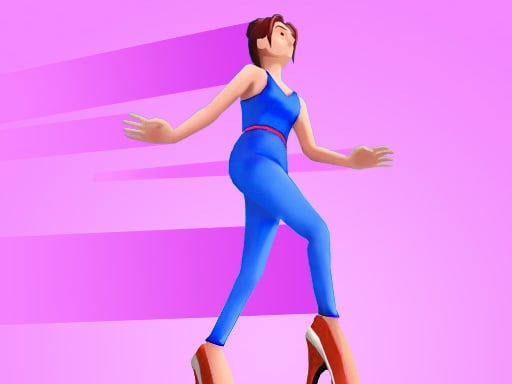
High heels are more than just a fashion statement; they represent a blend of artistry, engineering, and personal expression. The anatomy of a high heel includes several key components—the heel, the platform, the upper part, and the sole, each playing crucial roles in both aesthetics and functionality. The heel height can vary significantly, with styles ranging from kitten heels to towering stilettos. This variety allows for numerous design possibilities, catering to different tastes and occasions.
The materials used in high heel construction also vary widely, from leather and suede to synthetic options. The choice of material not only impacts the shoe's appearance but also influences its comfort, durability, and wearability. Designers often incorporate additional elements like embellishments, textures, or unique color palettes, enhancing visual appeal. Comfort is an essential aspect of high heel design, pushing brands to innovate and create features like cushioning and arch support, aligning style with wearability.
Furthermore, trends in high heel design frequently evolve, influenced by cultural shifts, fashion runways, and celebrity endorsements. The rise of inclusive and diverse representation in fashion has led to a greater variety of designs that cater to different body types and personal styles. Overall, the world of high heel design is a rich tapestry that combines technical skill and creativity, making it a fascinating subject for both consumers and creators alike.
High heel design often incorporates special features that enhance both function and style. Many high heels now include padded insoles for added comfort, arch support to promote better foot health, and slip-resistant soles to prevent accidents. These innovations enhance wearability, allowing women to enjoy the elegance of high heels without compromising comfort. Such features make high heels suitable for various occasions, from casual outings to formal events.
The controls in high heel design refer to how designers manage elements such as height, shape, and style to create a balanced product. Successful design requires understanding the mechanics of how a heel influences posture and movement. Designers utilize CAD software to visualize and manipulate each aspect, ensuring that the heel not only looks good but also performs well. This attention to detail in controls is crucial for producing a well-crafted shoe.
The primary objectives behind high heel design revolve around creating fashionable yet functional footwear. Designers aim to balance aesthetics and comfort, selecting materials that enhance the overall look while providing support. Additionally, they strive to cater to current trends, ensuring that designs appeal to a broad audience. Ultimately, the goal is to produce high heels that empower the wearer, instilling confidence through style.
The target audience for high heel design primarily includes fashion-conscious women who seek style, elegance, and sophistication in their footwear. This demographic spans various ages and lifestyles, from young professionals to seasoned fashion enthusiasts. Many are looking for versatile designs that transition well from daytime to evening. This audience appreciates innovations that improve comfort while maintaining trendy aesthetics, ensuring they can step confidently into any setting. For an immersive experience, check out games like Stunts Car Speed Trial to explore creativity in design!