Italian Brainrot 3D Puzzle
Popular Games
Last Played
 Army
Army
 Battleship
 First Person Shooter
 Killing
 Shooting
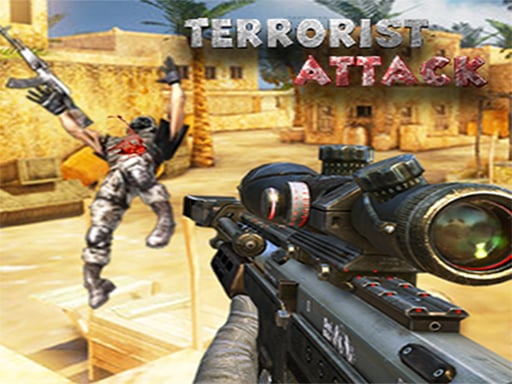
The term “terrorist attack” conjures images of chaos, fear, and unpredictability. These attacks, often aimed at causing physical harm and instilling widespread panic, are designed to draw attention to a political, social, or ideological agenda. Understanding the context and motivations behind such acts is crucial for both prevention and response. Many of these incidents, which can involve explosives, armed assaults, or coordinated cyberattacks, target not only physical structures but also the psychological fabric of society.
In many cases, terrorist attacks are carried out by organized groups who have specific objectives they wish to achieve. These might include using violence to achieve political change, spread fear amongst civilians, or provoke governmental responses. The consequences are often far-reaching, impacting public safety policies, national security measures, and the daily lives of citizens. A comprehensive analysis of these attacks reveals patterns that can help intelligence agencies and law enforcement agencies develop more effective strategies for prevention and response.
The global response to these threats has evolved, focusing not only on immediate law enforcement actions but also on addressing the root causes of extremism. Education, social inclusion, and community engagement are critical components of a holistic approach to preventing such attacks. Essentially, combating terrorism requires a multi-faceted strategy linking intelligence gathering, international cooperation, and local community efforts in order to build resilience against radicalization.
Each terrorist attack usually comes with unique features that set it apart from others. The methods, targets, and execution strategies vary widely, making it essential to analyze each incident thoroughly. Special features may include the choice of weaponry, the level of surprise, and the timing of the attack, all of which could significantly influence the attack’s impact and the subsequent reaction from both authorities and the public.
The controls involved in responding to a terrorist attack are rigorous and designed to ensure maximum efficiency. Operatives and law enforcement agencies coordinate efforts through immediate response protocols, utilizing technology for communication and situational awareness. Command centers enable real-time decision-making while first responders are trained to follow specific operational guidelines for crisis management, engagement, and victim assistance.
The primary goals of a terrorist attack often include instilling fear, drawing media attention, and pushing for social or political change. Often, terrorists aim to disrupt the status quo and highlight their grievances, whether it's against governments, ideologies, or societal norms. By creating chaos, they hope to influence public opinion or provoke reactions that align with their objectives.
The target audience for discussions surrounding terrorist attacks includes policy-makers, security professionals, scholars, and the general public. Educating a wider audience about the implications and strategies for prevention is essential in building a more aware society. Games such as Blob Climbing can serve as engaging tools to foster critical thinking about decision-making in crisis situations.