Italian Brainrot 3D Puzzle
Popular Games
Last Played
 2 Player Games
 3D Games
 Baby Hazel
 Drawing
 Funny
Funny
 Girls
Girls
 Kids
Kids
 Skills
 Unity3D
 WebGL
WebGL
A leg is a vital part of the human body, essential for mobility and support. Each leg consists of bones, muscles, tendons, and ligaments, all working together to facilitate movement. The primary bones in the leg include the femur, tibia, and fibula. These bones are not only responsible for structuring the leg but also play a critical role in weight-bearing and stability.
The muscles in the leg can be divided into various groups, such as the quadriceps, hamstrings, and calf muscles. These muscular groups are responsible for different functions, including extending and flexing the knee and moving the foot. Additionally, the intricate design of ligament and tendon connections ensures that the leg can handle a variety of stresses and strains, making it an incredibly resilient part of the body.
In the context of games focusing on anatomy and health, understanding the leg's functions and structure is paramount. Players can engage in activities that simulate medical procedures, enhancing their comprehension of human biology. These games often provide opportunities to learn about injuries related to legs, such as fractures and sprains, and the healing processes involved.
Ultimately, the study of the leg isn’t merely academic; it’s a practical aspect of many fields, including sports, medicine, and rehabilitation. Games that explore the anatomy and function of the leg invite players to dive deeply into both the theoretical and practical elements, making the learning experience engaging and interactive.
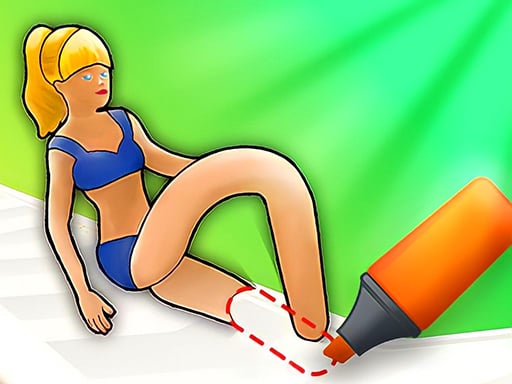
What a Leg stands out with its interactive gameplay that places emphasis on educational learning. Players can explore detailed anatomy models, partake in virtual surgeries, and access informative content about leg functions and health. The combination of visuals and engaging tasks makes it a unique experience for anyone interested in biology and health.
The controls in What a Leg are user-friendly and intuitive, allowing players of all skill levels to navigate the game easily. Players can use simple touch commands to interact with different parts of the leg, execute actions like cutting or bandaging, and maneuver through various levels and challenges with straightforward layouts.
The main objectives in What a Leg revolve around enhancing your understanding of leg anatomy and function. Players are tasked with diagnosing and treating common leg injuries, performing surgical simulations, and acquiring accumulated knowledge about overall leg care and health. Success is measured by the ability to make informed decisions and improve patient outcomes.
What a Leg is designed for a wide audience, including students and individuals interested in health and anatomy. It’s particularly beneficial for budding medical professionals and gamers who love immersive educational experiences. For those seeking other engaging health-related games, be sure to check out Happy Doctor Mania for more fun!