Italian Brainrot 3D Puzzle
Popular Games
Last Played
 Cartoon Network
 Cleaning
 Decoration
 Design
 Elsa
Elsa
 Frozen
 Girls
Girls
 Kids
Kids
 Princess
 Simulation
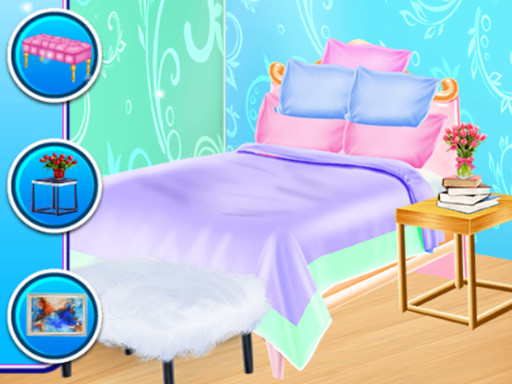
Modern home interior design is characterized by its minimalist approach, emphasizing clean lines, functional furniture, and an uncluttered aesthetic. This design style emerged in the mid-20th century but has evolved to incorporate various elements from different periods, resulting in a diverse and dynamic aesthetic. One of the key features of modern interior design is the use of neutral colors, which create a soothing backdrop, complemented by bold accent pieces that add character to spaces.
Another significant aspect of modern design is the utilization of open spaces that promote flow and connectivity among different areas of a home. This layout not only enhances natural light but also encourages social interaction. Additionally, sustainable materials are commonly used, focusing on eco-friendly practices while ensuring durability and elegance in home interiors.
Furniture in modern home interiors often possesses functional design, prioritizing utility without sacrificing style. Pieces may vary from minimalistic sofas to artistic wall decor, each contributing to an inviting yet stylish atmosphere. Technology also plays a considerable role, with smart home features seamlessly integrated into the modern design, enhancing comfort and convenience.
Overall, navigating the world of modern home interiors involves an understanding of its fundamental principles: simplicity, functionality, and style, enabling homeowners to create spaces that reflect their personalities while meeting their practical needs.
Modern home interiors design showcases several distinctive features that set it apart. Open floor plans allow for fluidity between spaces, making homes feel more expansive and inviting. The integration of natural materials, such as wood and stone, enhances warmth while maintaining a contemporary feel. Additionally, modern designs often incorporate large windows that flood interiors with natural light, creating a bright and airy atmosphere.
In the realm of modern home interiors design, control systems play a pivotal role in enhancing the user experience. Smart home technology allows occupants to manage lighting, temperature, and security remotely, making homes more responsive to their needs. These systems can be integrated discreetly into the overall design, ensuring that functionality does not compromise aesthetic appeal.
The primary objectives of modern home interiors design focus on creating functional, stylish, and sustainable spaces. The goal is to prioritize the needs and lifestyles of occupants while ensuring a harmonious living environment. Designers aim for simplicity and elegance, providing a backdrop that encourages personalization and comfort.
The modern home interiors design primarily caters to tech-savvy individuals and families looking for a blend of functionality and style. This audience values open spaces, eco-friendly solutions, and innovative technology integration within their homes. By appealing to contemporary aesthetics and lifestyles, designers can attract buyers who appreciate minimalist yet sophisticated living spaces. For more entertainment, check out Fish Grow Eating Fish.